

“…there is nothing more certain to inculcate the sins of scrupulosity and sanctimony than the suggestion that virtue is easier than it really is.”

This month, I’ve been thinking a lot about thinking about life. Existing vs. talking about existing. Experiencing vs. sharing experiences. Being in the moment vs. constantly pulling oneself outside the moment to examine it or collect visual proof to present to an audience later.
It sucks to think about experiencing a thing while experiencing it. It’s a weird, exhausting, semi-conscious bifurcation of presence. The more I notice myself doing it, the more I hate it: thinking about being at dinner with friends while being at dinner with friends.
I firmly believe we were made to live inside. But our ability to live (and think) outside is what separates us from animals. Perhaps when we have gone further in, we will lose the ability to think about our own existence.
I wonder: does God meditate on himself?
privacy and pretension
A few things I read this month watered the thoughts above—chief among them Kylee’s essay, the thrill of living privately, and almost finishing Tara Isabella Burton’s Self-Made: Creating Our Identities from Da Vinci to the Kardashians.
Says Kylee:
The thrill of living a private life is the excitement of knowing something deeply and innately, so that it rests in your bones and settles in your mind, before it becomes something you have to explain. It’s the happiness of experiencing something fully without needing it to extend beyond itself.
Experiencing something fully without needing it to extend beyond oneself. This capability is what’s missing thanks to the panoply of social media and the pervasiveness of technologically-mediated ways of communicating with each other.
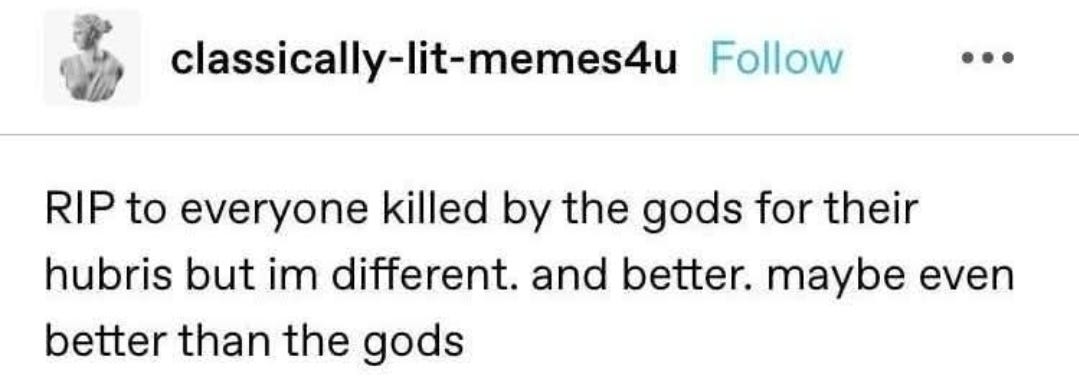
Undeniably, the human is built to extend experiences beyond himself. We love to share. (Hot coffee and hot gossip are two of my favorite things.) But what’s happening now is that, increasingly, we are sharing mere slices of life and not whole lives with each other. (Understanding, of course, that no whole life can ever truly be shared—but, perhaps, the aim is to get there.) Right now, though, the shared life is chopped into TikTok-length videos or curated episodes aimed at selling something probably harmful (as Elena Trueba talks about here).
The pretension, that anyone anywhere in the vast forest of the world would actually care about the story we make of our lives, is older than Da Vinci. And it seems we are all subject to it more than we’d like—thanks, perhaps, to our divine parentage.
Our economic, cultural, and personal lives are suffused with the notion that we can and should transform ourselves into modern-day deities, simultaneously living works of art to be admired by others and ingeniously productive economic machines.
Burton writes. Her recounting of self-made men, dandies, inventors, and fashionistas from centuries past rings true today. Some are obsessed with making something of themselves. But most are obsessed with appearing as though they’ve made something of themselves. Whether that something is praiseworthy or abominable is no matter. The intent is to be seen and to be shared. To hold up one’s life and examine in the eyes of a public of some kind. I think we need less of that.
for the love of the city
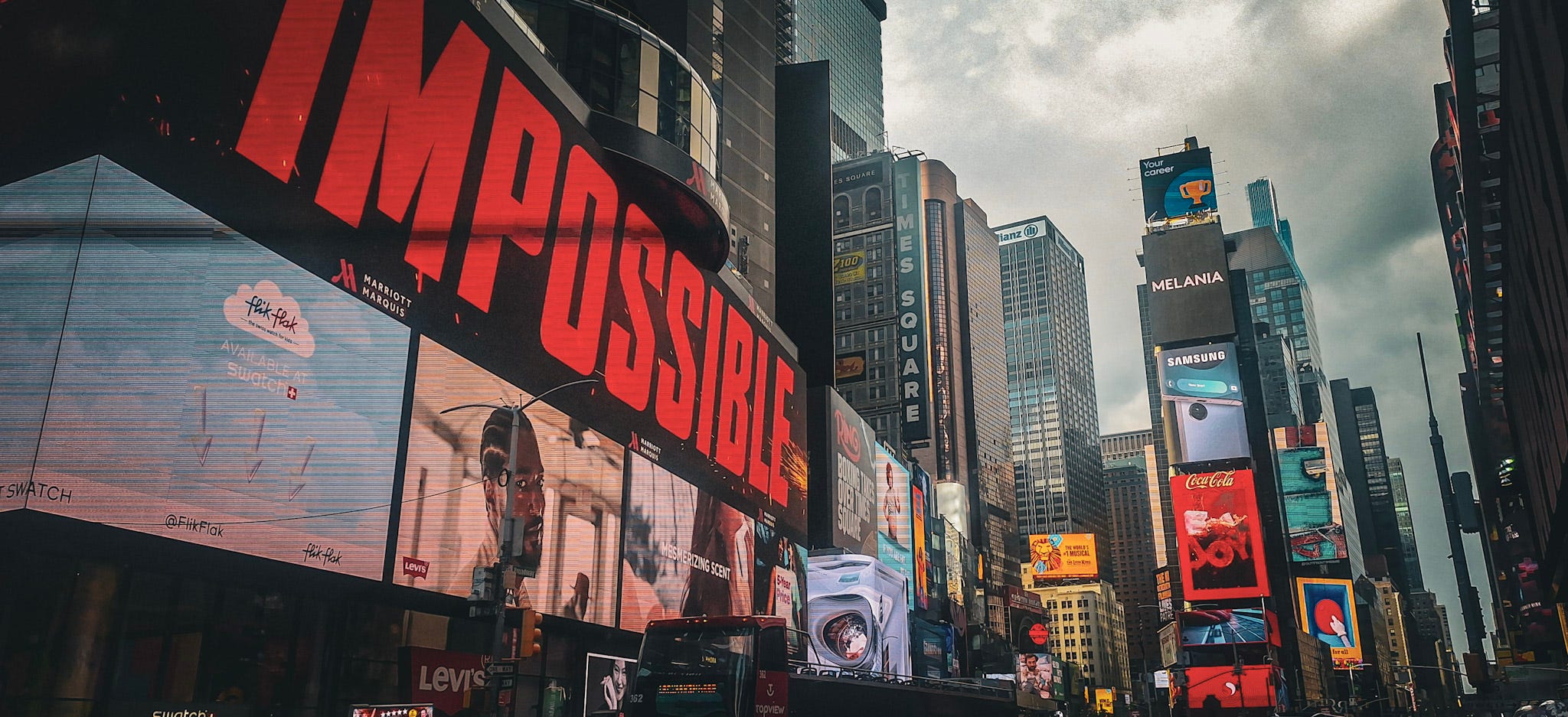
Sometimes, if I wait long enough, some brilliant soul will express my feelings about something perfectly and better than I ever could. So, I was thrilled to discover Jeremy Bugh’s essay, Can Christians Live in Cities? Against Agrarian Idolatry. Bugh argues this simple (and obvious) point: if Christians have a call to ‘constructively subvert’ less-than-godly systems while fulfilling the Great Commission, then we have a responsibility—even a requirement—to live in and love our cities. He rebukes the wave of anti-city sentiment that seems to go along with the Kingsnorthian impulse to fight the “machine,” turn sectarian, and retreat to ruralism. Frankly, this impulse frightens me because it reads like an endorsement of abandonment—abandonment of the 70% of the human population who will, by 2050, live in cities and towns. Abandonment of the vulnerable who cannot afford to sustain life outside of a city.
I would quote so much from Bugh. But you’d better read his essay.

Also, if you missed it, here’s my ode to London, the city of cities.

asides + signal boosts
More writings I enjoyed reading this month…
»» God, on the verge of creating: Katy Bowser Hutson ponders what it must have been like in the mind of the uncaused Cause just before it caused anything.
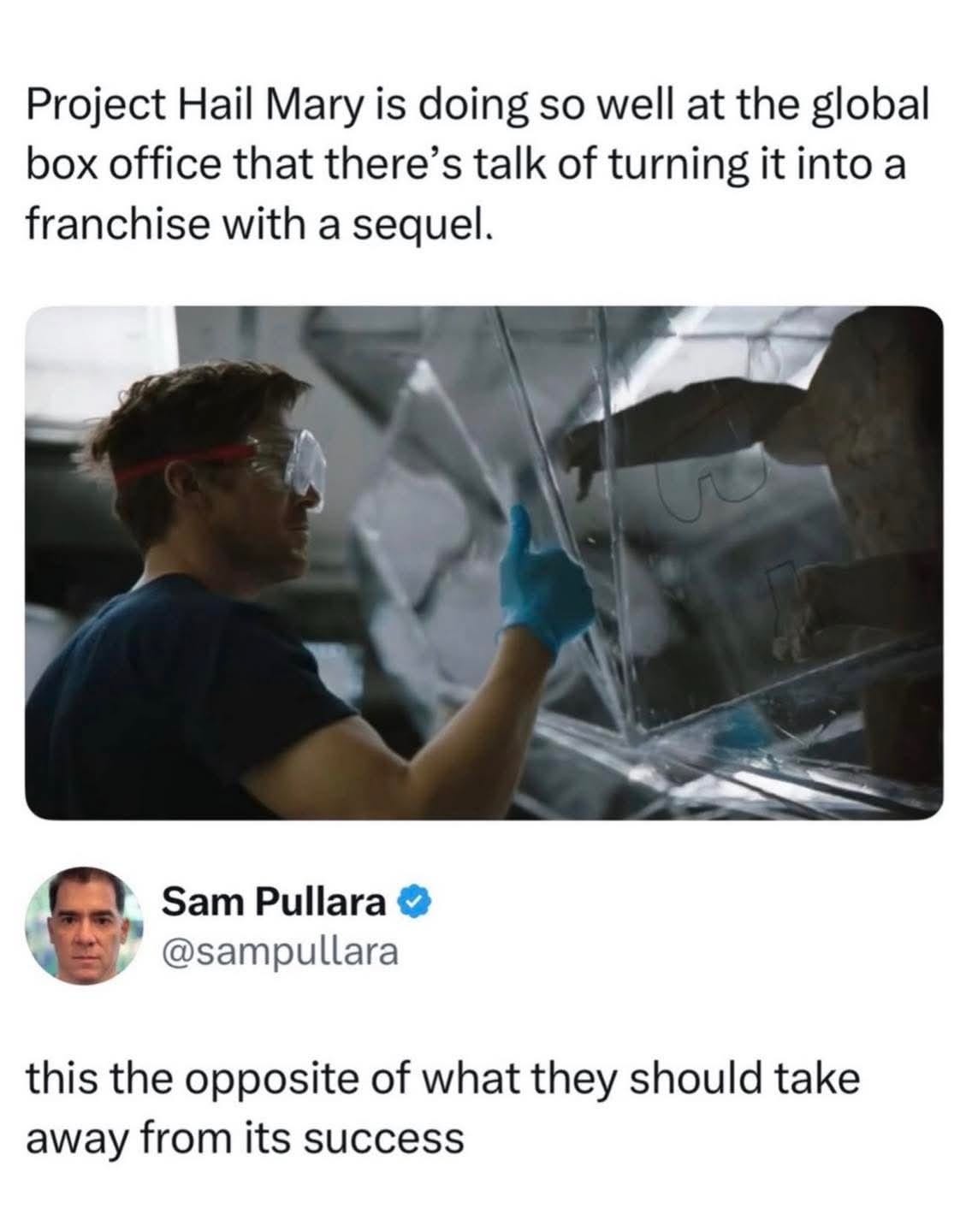
»» After Repeat Box-Office Crashes, New Films Make Space for Optimism and Hope (Lorehaven): My friend (and incredible graphic designer) Jenneth Leed offers an explanation for why Project Hail Mary, Barbie, The Chosen, and Promised Land feel like a breath of fresh air from the film/tv industry. (The common denominator may be Ryan Gosling?)
»» The Problem with Clean Fiction: This guy (G. M. (Mark) Baker) gets it!
“We all have our triggers, our ghosts, and our bad memories. But we cannot purge every book of every scene that might upset any possible reader. There would be nothing left.”
He makes the case for why stories seeking to promote virtue must deal honestly with vice and why strict rating systems cannot accomplish what their proponents typically want them to accomplish. (His words in the quote at the top of this post.)
»» What Pullman gets wrong about Narnia (The Critic): There’s nothing Caleb Woodbridge and I like more than dunking on Philip Pullman. (Kidding!) But I love when debates about Narnia get attention from people outside our circle of nerddom. In Caleb’s essay, adapted from the paper he delivered at the C.S. Lewis International Interdisciplinary Conference in Romania this year (jealous!), he talks about the places where Lewis and Pullman might be unwittingly aligned.
For another brief aside about Lewis-Pullman similarities, check out my essay on the BBC/HBO adaptation of His Dark Materials (seasons 1 + 2) here.
»» Let the Girls be Evil: Just an argument by Elena B. Sato for more truly awful female fictional characters.
»» Some Things Shouldn’t Be Made Into a a Joke: Jake Meador warns against the casually permissive blasphemy taking root at the highest level of America’s government.
And Elena Trueba writes about the people consistently making excuses for blasphemous behavior. (Honestly, I applaud the work she’s doing over at Unholy Alliances.)
📖 Reading
Finished reading Kat Cho’s Wicked Fox—a Korean mythological fantasy novel I bought fiveish years ago because it was on sale at Barnes & Noble and looked pretty interesting. It was amazing! and a window into a brand new world. (Guys, there’s so much gorgeous mythology outside the Western canon.) I finished it over a bottle of bokbunja-ju (black raspberry wine), and towards the end, I had to take a break and scroll silly memes on my phone because I am a very manly man and cannot be seen crying over a novel in public.
Cho’s latest work, Gods & Comics, is out now and I plan on getting my hands on it pretty soon. Gods. And comics? What more can I ask for?
🎞️ Watching
The Devil Wears Prada. It was long overdue for me to see this and, boy, did I love it. It’s funny and simple and contained real human relational wrestling. (Although, I do believe, Andy has some making up to do with Nate. It’ll be interesting to see what they do with that in the upcoming Prada 2.)
For the purposes of this substack, one scene stood out—Miranda Priestley’s cerulean monologue. Her speech, prompted by Andy’s snooty, fashion-doesn’t-matter attitude, emphasizes that disengagement in something so essential to life, like the clothes we wear, is not a real choice. What we have in our hands is either deliberately chosen or the result of dozens of individual choices by other people.
“That blue represents millions of dollars and countless jobs, and it’s sort of comical how you think that you’ve made a choice that exempts you from the fashion industry when, in fact, you’re wearing a sweater that was selected for you…”
I could dissect this more, but who am I preaching to? You know this already.
Ponies. A fun, fish-out-of-water series about the widows of two CIA agents during the Cold War being thrown into the state-and-spycraft affairs of their late husbands.
🎧 Listening
I met NAVINA at an artist gathering in London some time ago. She was working on some music which is now out in the world!
Would You Love Me If You Really Knew Me? x Fletcher. Started listening to this one in the midst of all the thoughts about privacy that opened this essay. There are some lyrics that jump out: Hi, everyone, leave please // I need a moment to myself
The Altar x BANKS

internet wit + wisdom
Many thanks for including "Rain" in your wrap Daniel! Happy uplifting listening <3